Dr. Daniel Sheehy is a professional amateur cyclist, cycling coach, and vlogger based in Beijing. He is also a PhD in Chemistry from Boston University. I came across Dr. Sheehy on his Bilibili channel, and I was curious about his experience, so I reached out to him and asked for this interview.
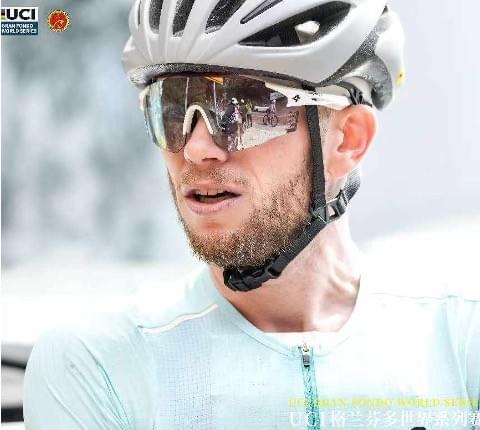
Dr. Daniel Sheehy
The beginning of a cycling career
Derek: When and how did you start your cycling journey?
Daniel: I’ve been cycling pretty much my whole life. Growing up in the United States, a bike represented freedom when you were a kid. But I didn’t start taking cycling seriously until the COVID lockdowns in 2020. During that period, cycling became important for both my mental and physical health. I started using platforms like Zwift and gradually became much more involved in training and performance cycling.
Cycling atmospheres: China vs. the United States
Derek: How do you think the cycling scene in China compares with the one in America?
Daniel: I wouldn’t say one is better or worse—they’re simply very different. In the United States, road cycling has generally been declining over the last 10–15 years. Cars are larger, drivers often view roads as primarily for vehicles, and organizing road races has become increasingly difficult and expensive.
As a result, much of American racing has shifted toward criteriums and gravel racing. Gravel cycling has become enormously popular in the U.S. China is different. Road cycling is thriving here, whether you’re a commuter, enthusiast, or racer. Infrastructure is improving, races are growing, and cycling culture is expanding rapidly.
Derek: Have you enjoyed racing in China? How did your first race go?
Daniel: Absolutely. My first race in China was the Miaofengshan KOM near Beijing. I’d ridden the climb many times before, so it was exciting to finally compete against strong riders there.
What I’ve enjoyed even more is stage racing. I’ve racedin Hainan several times, including five-day stage races. Stage racing is
fascinating because success isn’t only about performance during the race itself—you must manage nutrition, recovery, sleep, and logistics between stages.
There’s really a race within the race.
On nutrition and recovery management
Derek: Do you handle all of that yourself?
Daniel: Mostly yes, together with my wife, who also races. I’ve spent years studying sports nutrition andrecovery. Scientific literature provides useful general guidelines, but every athlete responds differently. That’s why I test strategies on myself, my wife, and the athletes I coach. Scientific research tells us what usually works; coaching helps us discover what works for a specific individual.
Personal research background on coaching
Derek: Is there a connection between being a chemist and being a cycling coach?
Daniel: Definitely. I earned degrees in biochemistry, genetics, biomedical sciences, and later completed a PhD in chemistry. My scientific training taught me how to analyze data, read research critically, control variables, and conduct meaningful experiments. As a coach, I use the same mindset. Training decisions should be informed by evidence whenever possible. My background in biology and biochemistry also helps me understand what’s happening inside the body at a molecular level, which gives me a unique perspective on training and performance.
Derek: Why did you transition away from scientific research?
Daniel: I’m very proud of my scientific career. During my PhD, I contributed to cancer-drug research and developed new approaches for autoimmune diseases such as Type 1 diabetes. However, I realized I was sacrificing too much of my own health for my work. At one point, I weighed around 95 kilograms during the pandemic. Through cycling, proper nutrition, and lifestyle changes, I transformed my physical and mental health. Research wasn’t necessarily the problem. My tendency to become completely absorbed in work was. Cycling gave me a healthier outlet for that same focus and passion.
Favorite professional cycling team
Derek: What’s your favorite professional cycling team?
Daniel: If I had to choose one, I’d probably pick Team Visma–Lease a Bike.
I really admire riders like Victor Campenaerts. He’s a perfect example of professionalism and perseverance. Even when he was between contracts, he continued training and investing in himself. I also appreciate Visma’s team-first culture. Their tactics are extremely calculated, and every rider is committed to the team’s goals. That said, I also enjoy watching riders such as Ben Healy from EF Education–Easy Post because of their aggressive racing style.
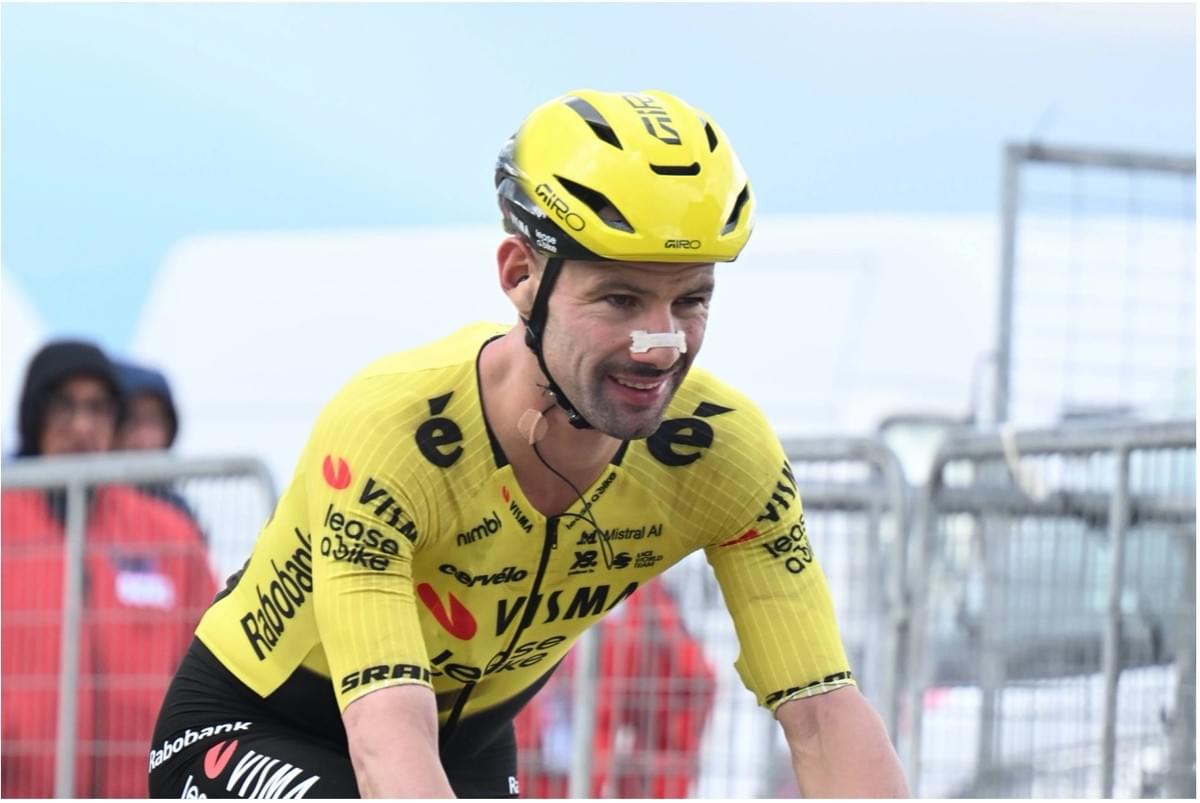
Victor Campenaerts
On the future of cycling in China
Derek: How do you see the future of cycling in China?
Daniel: I’m very optimistic. One advantage China has is the ability to rapidly develop infrastructure. When local governments decide to support cycling, improvements happen quickly. For example, areas like Mentougou are becoming increasingly cyclist-friendly. I would also like to see more gravel-ridingopportunities in China. However, even without gravel, China has enormous potential to become a major destination for road racing and stage racing. The enthusiasm from local communities during races is something special. Villagers, students, and spectators genuinely enjoy supporting events.
Best cycling cities in the US
Derek: Which cities would you recommend?
Daniel: It depends on what type of cycling you enjoy. For road cycling, I think Portland, Minneapolis, SanFrancisco, Boulder, and Los Angeles. For winter training, Tucson. An underrated option is Asheville. No matter where you live, consistency matters most.Having an indoor trainer can be extremely valuable.
Aero bike or lightweight bike
Derek: Which do you prefer: aerodynamic bikes or lightweight bikes?
Daniel: Six months ago I would have said lightweight bikes without hesitation because I love climbing. Now I’m leaning more toward aerodynamic bikes because I’ve been racing more stage races and Gran Fondos. Fortunately, modern bikes are increasingly both aerodynamic and lightweight, so riders don’t have to compromise as much as before. More importantly, you should choose a bike that excites you enough to ride consistently.
Dream bike
Derek: If money were not a concern, which bike would you buy?
Daniel: Probably the Factor One. When it first came out, I didn’t love the appearance, but it’s grown on me. The aerodynamic data is extremely impressive. Of course, for a pure climbing race I’d choose something lighter. Different races require different tools.
On staying motivated during indoor training
Derek: Spending hours on an indoor trainer can be difficult. How do you stay motivated?
Daniel: I treat training like a video game. I use training software to track progress and enjoy watching the numbers improve over time. For long indoor sessions, entertainment is important. I rotate between podcasts, audiobooks, TV shows, and other content. Equally important is cooling. Many cyclists underestimate how much airflow they need indoors. Without proper cooling, power output drops significantly and training becomes much harder than necessary.
On preventing mental and neurological fatigue
Derek: How do you keep training stress under control?
Daniel: Recovery is everything. Get enough sleep. Take rest days seriously. Stretch. Do activation exercises. Eat properly. One mistake I frequently see is athletes riding hard every single day. The body adapts during recovery—not during training itself. If you don’t recover properly, you’ll eventually stop progressing regardless of how hard you train.
Derek: Thank you very much for your time. I think that’s all the questions I have today.
Daniel: Glad we could finally connect. Thanks for having me.
I enjoyed this interview with Daniel. It was fascinating to see how a chemistry PhD transitioned into a cycling coach while maintaining a scientific mindset in his cycling training. At first, I thought he would just talk about bikes, but he also explained how science helps him train better. He uses data and experiments like in a lab, which is actually useful for sports training and sports management. Meanwhile, his emphasis on training recovery and mental health differs from many old coaching concepts. The interview was fun, and I have learned a lot of insights into the cycling culture in the US.
Derek Lyu